

Birds are the animals of class Aves: warm-blooded vertebrates that have feathers, a horny beak without teeth and lay eggs with hard shells. Feathers set them apart from every other living animal, and most birds can fly, though some, such as ostriches and penguins, cannot. The IOC World Bird List (version 15.2, the edition on its website in November 2026) recognises 11,227 bird species, of which 164 are extinct, which leaves 11,063 living species in 44 orders and 251 families.
Below: the traits that define birds, the main groups, the record holders, conservation, and the bird posts on this site.
Birds at a glance
- Scientific class: Aves
- Living species: 11,063 (IOC World Bird List 15.2; 11,227 including 164 extinct species)
- Orders and families: 44 orders and 251 families (IOC 15.2)
- Largest order: the perching birds, Passeriformes, with more than half of all species
- Where birds live: in every kind of habitat above ground, from Antarctic sea ice to deserts, forests, cities and the open ocean
- Largest living bird: the common ostrich, males 2.1 to 2.7 m tall and 100 to 130 kg
- Smallest bird: the bee hummingbird of Cuba, 57 mm long and 1.6 g
- Fastest bird: the peregrine falcon, about 320 km/h (200 mph) in a hunting dive
- Longest wingspan: the wandering albatross, 3.63 m measured in 1965
- Threatened species: 1,256 of 11,185 assessed species (11.5%) are globally threatened, IUCN Red List update of 10 October 2025
- Declining species: 61% of bird species have falling populations (IUCN, 2025), up from 44% in 2016
What makes a bird a bird
Feathers. Birds are the only living animals with feathers. The University of California Museum of Paleontology describes feathers as highly modified scales: contour feathers streamline the body, flight feathers form the surfaces of the wings and tail, and down feathers keep the body warm.
A beak without teeth. Living birds have no teeth. Their jaws are covered by a horny beak, and the shape of that beak follows the diet, from the hooked bill of an eagle to the filtering bill of a flamingo.
Hard-shelled eggs. All birds reproduce by laying eggs with hard shells.
Warm blood. Birds are warm-blooded, which means they make their own body heat instead of taking it from their surroundings.
A light but strong skeleton. According to the UC Museum of Paleontology, bird bones are hollow and filled with extensions of the air sacs, which are extensions of the lungs that make breathing more efficient. The furcula, or wishbone, is a fused collarbone that braces the shoulders during the wingbeat, and the breastbone carries a large keel where the flight muscles attach.
Descended from dinosaurs. Birds are living dinosaurs. The Natural History Museum in London explains that they descend from theropods, the group of two-legged, meat-eating dinosaurs that also includes Tyrannosaurus rex and Deinonychus, and that the shift towards birds probably started about 160 million years ago. Feathers appeared in dinosaurs before birds did: Deinonychus, long drawn as a scaly animal, was in fact feathered. Archaeopteryx, a fossil from the Late Jurassic, is often called the earliest bird.
Flight, and the birds that gave it up. Most birds fly, but flight is not part of the definition. Ostriches and penguins have wings and cannot fly. Penguins use their wings as flippers and are fast divers instead, and ostriches run, sprinting in short bursts at up to 43 mph (about 70 km/h).
Types of birds: the main groups
Ornithologists sort the 11,063 living species into 44 orders. The order of perching birds, Passeriformes, holds more than half of all bird species, more than 5,000 of them, including familiar songbirds such as crows, cardinals, chickadees and sparrows. The table below shows some of the best-known groups.
| Group (order) | Examples | What marks it |
|---|---|---|
| Passeriformes | Sparrows, swallows, tits | Over half of all species |
| Strigiformes | Barn owl, eagle owls | Night hunters, keen hearing |
| Falconiformes | Peregrine falcon | Fastest dive of any bird |
| Sphenisciformes | Emperor, Adelie penguins | Flightless, wings as flippers |
| Struthioniformes | Common ostrich | Flightless, two toes per foot |
| Phoenicopteriformes | Six flamingo species | Filter-feeding bill |
| Procellariiformes | Albatrosses, petrels | Longest wingspan of all |
Owls, the Strigiformes, are night hunters with almost 200 species in two families, the typical owls and the barn owls. Their round, disc-shaped faces help them pick up the faint sounds of small prey in the dark. Penguins, the Sphenisciformes, form one family of flightless divers whose wings have become flippers, and they live only in the Southern Hemisphere. Flamingos, the Phoenicopteriformes, are filter feeders: as San Diego Zoo Wildlife Alliance describes, they hold the bill upside down in the water, pump water and mud through it and trap shrimp and other small animals on comb-like plates called lamellae.
Bird facts: the record holders
Largest and heaviest: the common ostrich. The ostrich (Struthio camelus) is the largest and heaviest living bird. San Diego Zoo Wildlife Alliance gives males a height of 2.1 to 2.7 m and a weight of 100 to 130 kg. Its egg is about 15 by 13 cm and weighs about 1.5 kg, and it is the only bird with just two toes on each foot.
Smallest: the bee hummingbird. According to Guinness World Records, the bee hummingbird (Mellisuga helenae) of Cuba and the Isle of Youth is the smallest bird. It measures 57 mm in total, about half of which is bill and tail, and weighs 1.6 g.
Fastest: the peregrine falcon. In a hunting dive, or stoop, the peregrine falcon (Falco peregrinus) is estimated to reach about 320 km/h (200 mph) in ideal conditions. A falcon named Frightful was reported at 389 km/h (242 mph) in dives from an aircraft in 1999, though some ornithologists doubt that those dives reflect natural conditions.
Longest wingspan: the wandering albatross. The largest wingspan measured on any living bird belonged to a male wandering albatross (Diomedea exulans) caught in the Tasman Sea by the crew of the research ship USNS Eltanin on 18 September 1965. Its wings spanned 3.63 m (11 ft 11 in).
Bird posts on this site
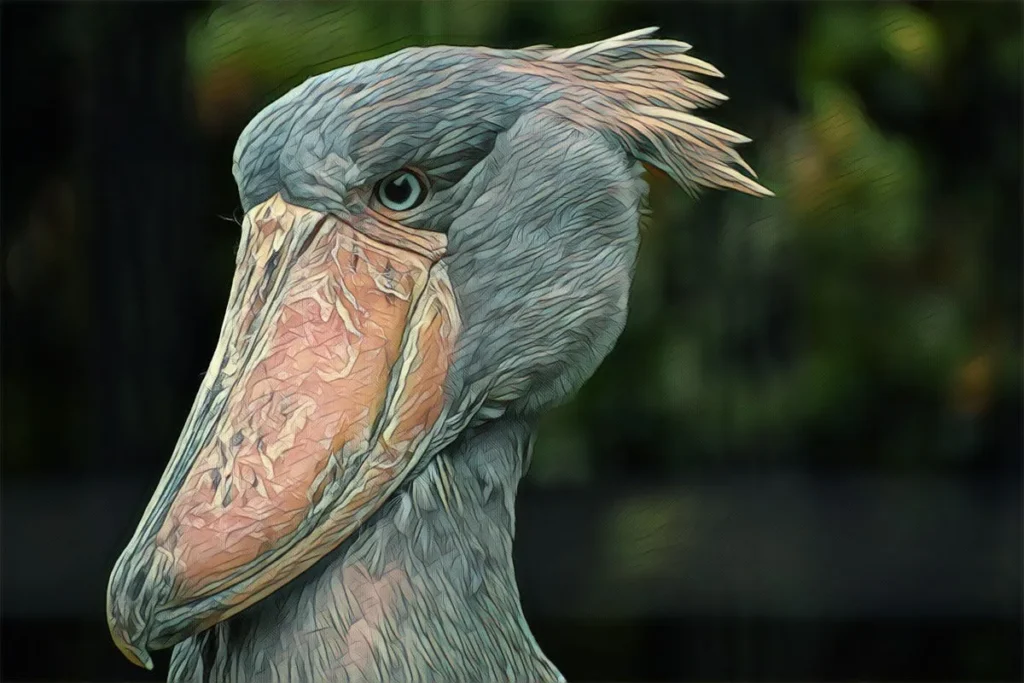
The shoebill is a tall grey bird of the papyrus swamps of East and Central Africa, named for its enormous bill. It is not a true stork but the only living member of its own family, Balaenicipitidae, in the same order as the pelicans. Our shoebill stork facts cover its size, its diet of lungfish and other large prey, and its Vulnerable status.
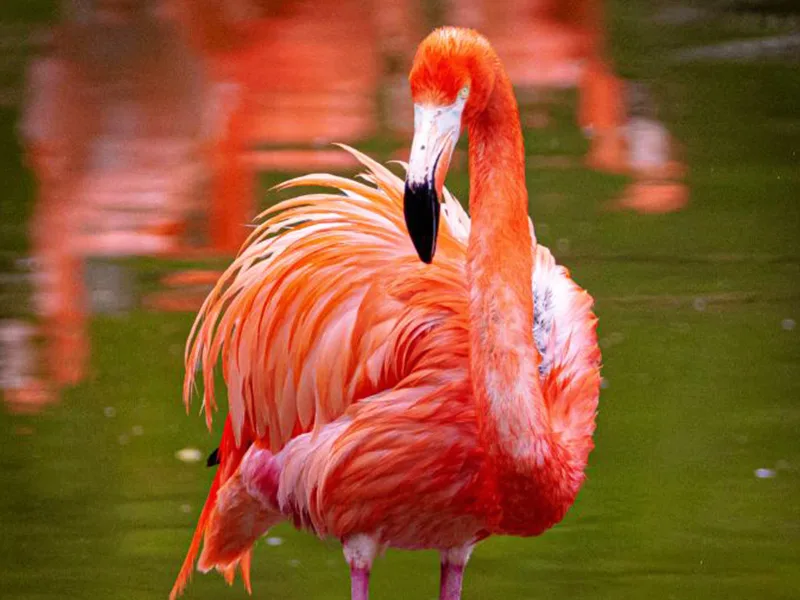
Flamingos are the filter feeders in the table above. The six species, from the greater flamingo to the Andean and James’s flamingos of the high Andes, are compared in our flamingo facts, along with why the birds turn pink and why they stand on one leg.
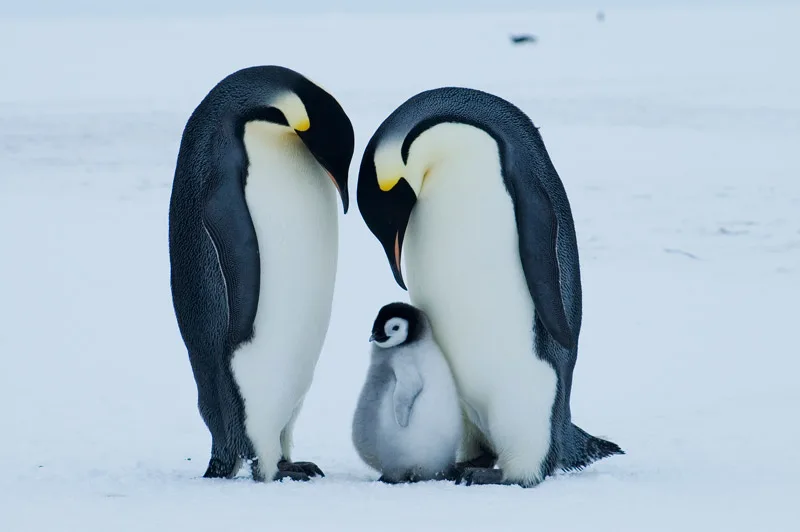
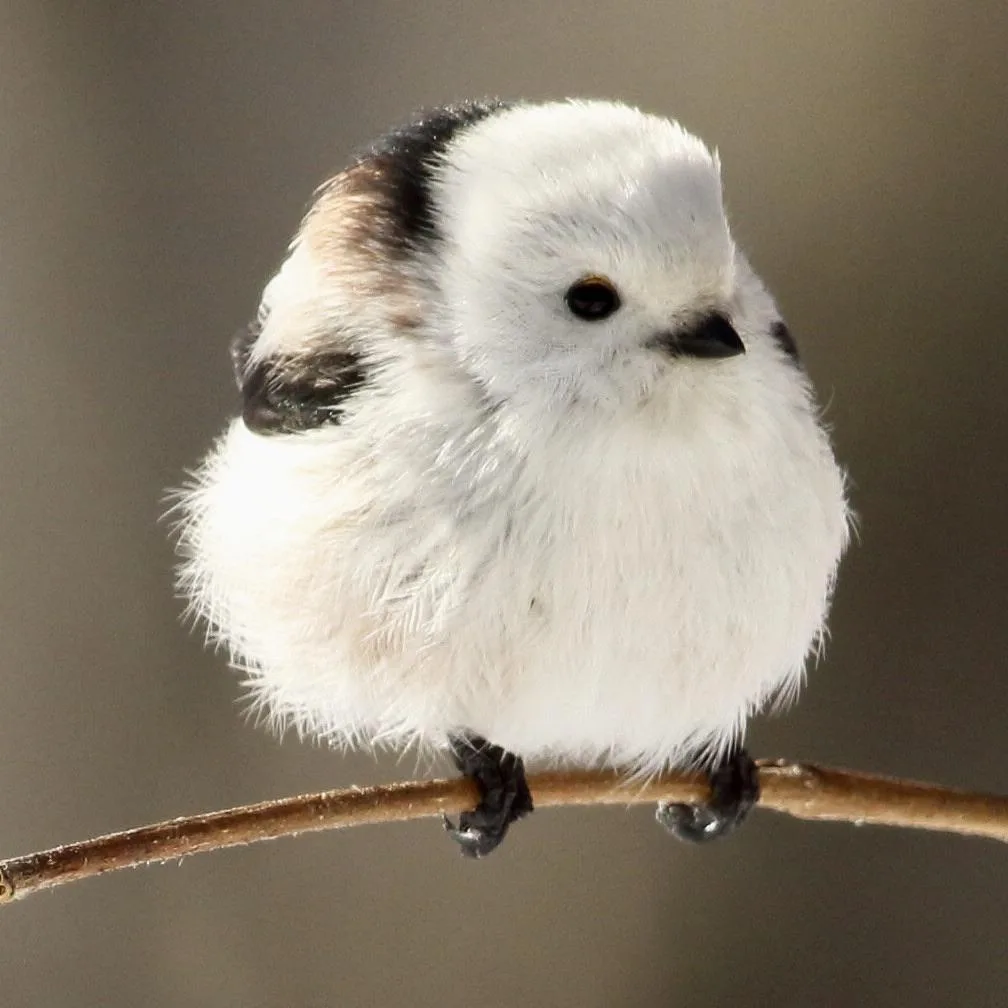
The emperor penguin depends on Antarctic sea ice to breed. It is one of the birds in our list of the cutest animals in the world, together with the shima enaga, the white-faced long-tailed tit of Hokkaido, the Indian peafowl and the Atlantic puffin.
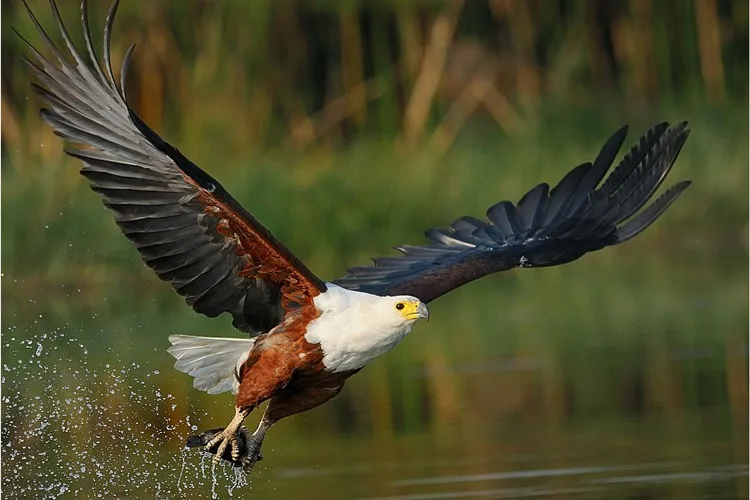
Birds also fill two of the site’s alphabet lists. In animals that start with A you will find the Acadian flycatcher, the Adelie penguin, the African fish eagle and the African grey parrot, a species listed as Endangered since 2016.
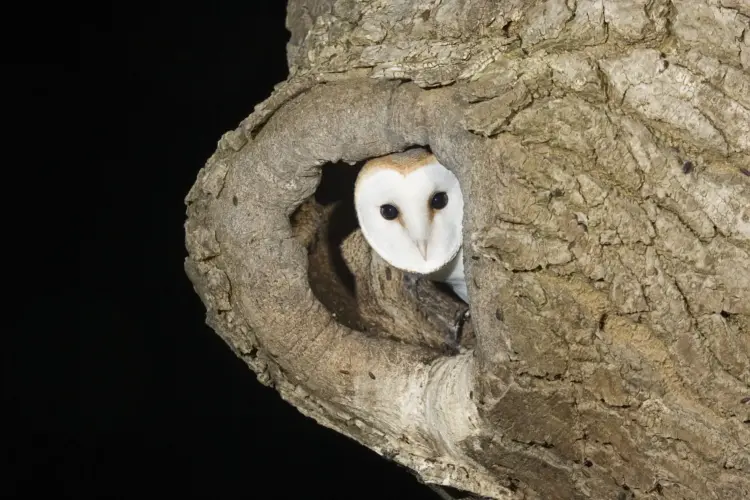
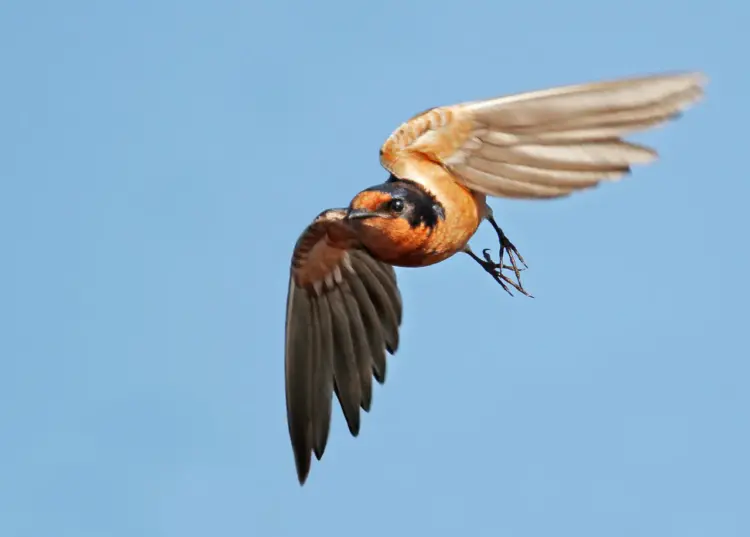
The list of animals that start with B includes the bald eagle, the barn owl, the barn swallow and the Barnevelder, a Dutch breed of domestic chicken. The barn owl hunts by sound and can catch mice in complete darkness.
To browse every animal on the site in alphabetical order, use the A to Z list of animals. For the other great group of warm-blooded vertebrates, see our hub page on mammals and what defines them.
Bird conservation and threatened species
BirdLife International assesses every bird species for the IUCN Red List. The IUCN Red List update of 10 October 2025 completed BirdLife’s eighth comprehensive assessment of all the world’s birds. It found that 1,256 of the 11,185 species assessed, or 11.5%, are globally threatened, which means listed as Vulnerable, Endangered or Critically Endangered. It also found that 61% of bird species have declining populations, up from 44% in 2016.
The most common cause of decline is the loss and degradation of habitat, driven above all by the expansion and intensification of farming and by logging. Invasive species, hunting and trapping, and climate change are the other major threats.
Single species can change status quickly. On 9 April 2026 the IUCN moved the emperor penguin from Near Threatened to Endangered, mainly because of the early break up and loss of the sea ice it breeds on.
Birds FAQs
How many bird species are there?
The IOC World Bird List (version 15.2, online in November 2026) recognises 11,063 living bird species, plus 164 extinct ones. Other checklists use slightly different species boundaries, so totals of about 11,000 are also quoted; the IUCN assessed 11,185 bird species in 2025.
What makes a bird a bird?
Birds have feathers, which no other living animal has, a horny beak without teeth and hard-shelled eggs. They are warm-blooded, and most have a light skeleton with hollow, air-filled bones.
Are birds dinosaurs?
Yes. Birds descend from theropods, the group of two-legged, meat-eating dinosaurs that also includes Tyrannosaurus rex, and scientists treat them as living dinosaurs. The Natural History Museum in London dates the start of the shift towards birds to about 160 million years ago.
Can all birds fly?
No. Ostriches and penguins are among the birds that cannot fly even though they have wings. Penguins use their wings as flippers to swim, and ostriches run instead.
What is the largest bird in the world?
The common ostrich is the largest and heaviest living bird. Males stand 2.1 to 2.7 m tall and weigh 100 to 130 kg, according to San Diego Zoo Wildlife Alliance.
What is the fastest bird?
The peregrine falcon is the fastest bird, reaching an estimated 320 km/h (200 mph) when it dives on prey.
How many bird species are endangered?
In the IUCN Red List update of October 2025, 1,256 bird species, 11.5% of those assessed, were globally threatened, meaning Vulnerable, Endangered or Critically Endangered. In addition, 61% of all bird species have declining populations.
Sources checked in November 2026: worldbirdnames.org, iucn.org, biokids.umich.edu, ucmp.berkeley.edu, nhm.ac.uk, biokids.umich.edu (2), biokids.umich.edu (3), animaldiversity.org, animals.sandiegozoo.org, animals.sandiegozoo.org (2), guinnessworldrecords.com, guinnessworldrecords.com (2), guinnessworldrecords.com (3), iucn.org (2).